8 Must-Have Products for Raised Bed Gardening — What Actually Works for Beginners
When I first started growing food in raised beds, I made every mistake in the book. I bought a flimsy kit that fell apart by July, overwatered my tomatoes into root rot, and spent way more than I needed to on gadgets I never touched again.
It took a few seasons of trial and error before I figured out what actually matters — and what's just noise.
If you've ever searched "raised bed garden kit" on Amazon, you know the problem: there are hundreds of options, and most beginner bundles are padded with stuff you don't need.
So I put together a short, honest list. Not 30 items — just the ones that actually move the needle for someone starting out.
The Most Overlooked Gardening Mistake Beginners Make
Every season, I hear some version of the same story from new gardeners:
- "I watered every day but everything still died."
- "My tomatoes grew but barely produced anything."
- "I feel like I wasted an entire summer."
It's tempting to blame bad soil or bad luck. But in my experience, it usually comes down to something simpler: not having the right basics in place before you start.
Good news — that's an easy fix.
Why So Many Beginners Get Discouraged Early
Here's what tends to happen:
- You buy a cheap kit or grab random tools without much of a plan.
- A few things go wrong — overwatering, pests, plants that just don't thrive.
- By midsummer, it feels less like a hobby and more like guesswork.
That guessing-game feeling is the single biggest reason people quit gardening after one season. The fix isn't more effort — it's having a few reliable basics in place from day one.
Getting Started: Your Raised Bed
Everything else on this list goes inside or around your bed, so this is where to start. A sturdy, well-built raised bed makes the rest of the process so much easier — better drainage, easier weeding, and no fighting with compacted yard soil.
I'd skip the thin, flimsy kits. Look for something solid that you can set up once and not think about again for years.
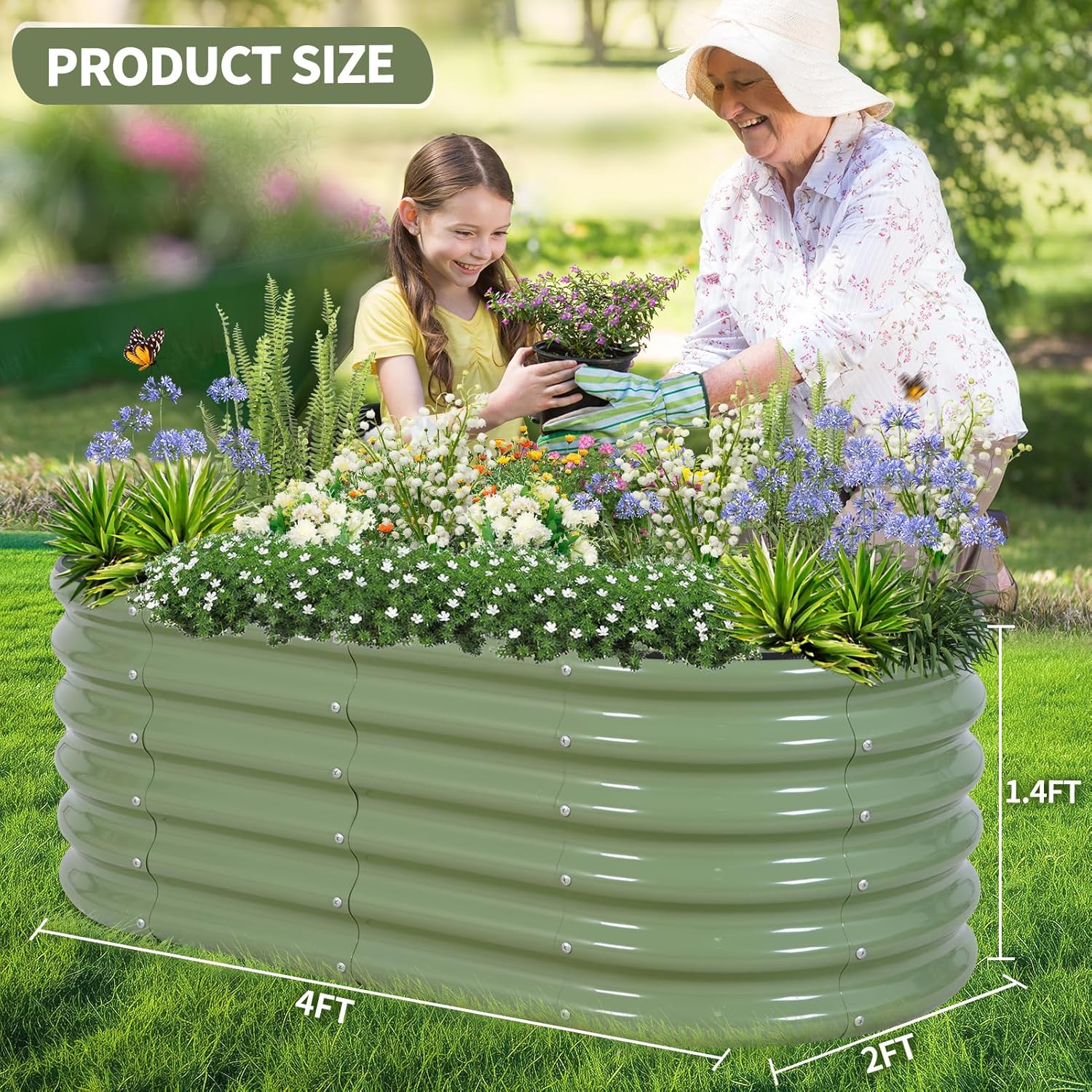
Raised Garden Bed
A solid, beginner-friendly raised bed that's simple to assemble and built to hold up season after season. This is the foundation everything else on this list builds on.
👉 See it hereGetting Your Soil Right
This is the part beginners skip the most — and it's probably the most important one.
Whatever you plant, it's only as good as what it's growing in. Regular yard dirt is usually too dense and lacking in nutrients for a raised bed. A proper organic soil mix gives your plants a real head start, with good drainage and the nutrients they need early on.
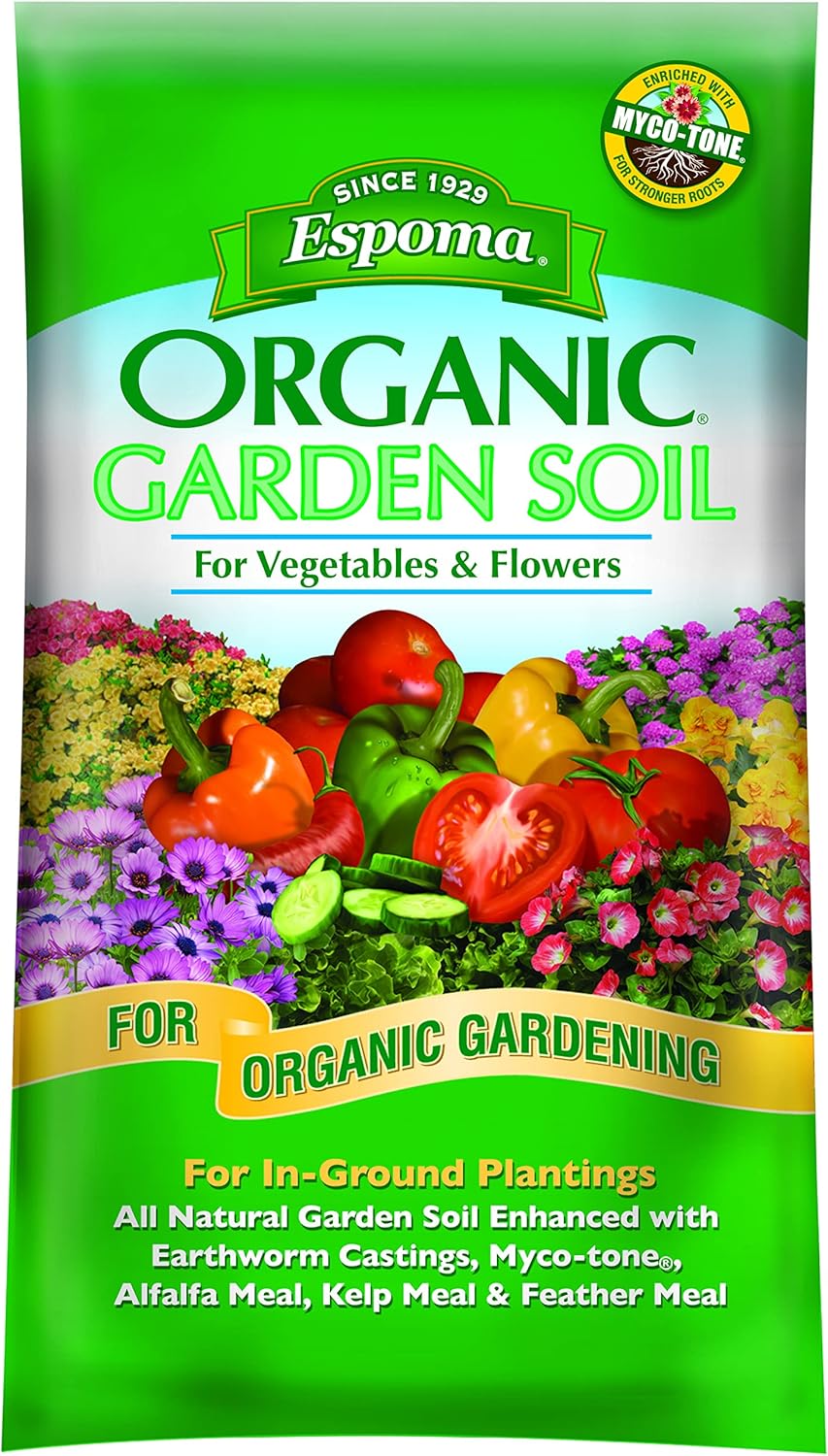
Organic Garden Soil Mix
A nutrient-rich blend designed for raised beds and containers — much better starting point than plain garden dirt, especially for your first season.
👉 Check it out hereThe Tools You Actually Need
You don't need a shed full of gear. A small hand trowel, a hand fork, and a pair of pruning snips will cover almost everything you do in a raised bed garden — planting, weeding, transplanting, and light pruning.
A decent multi-piece set saves you from buying tools one at a time as you realize you need them.
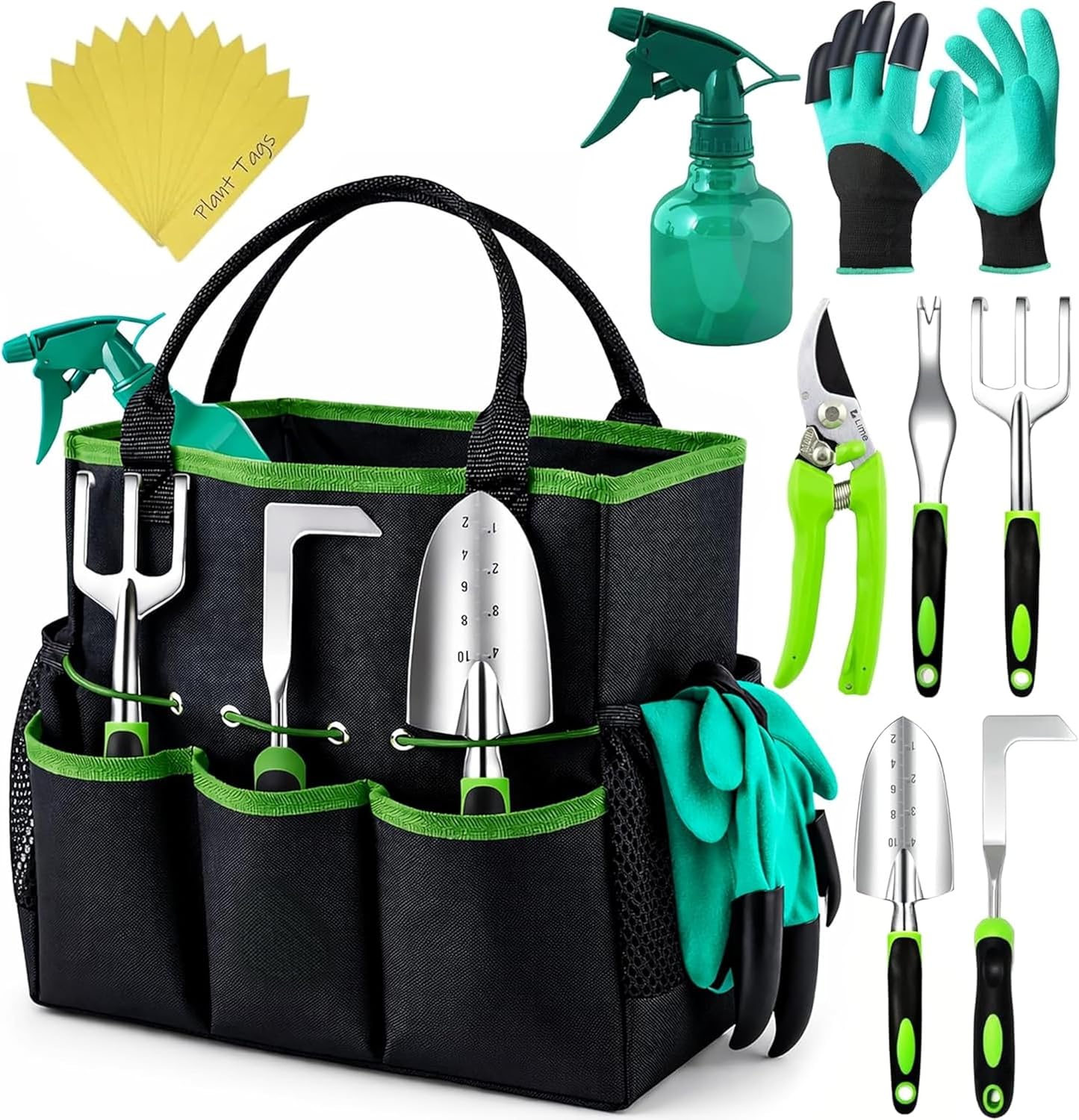
Gardening Tool Set
A practical set covering the basics — trowel, fork, pruners, and more — so you're not piecing together tools one by one.
👉 See it hereWatering Without the Guesswork
Overwatering is one of the most common reasons beginner plants struggle. It's easy to assume more water means healthier plants — it's usually the opposite.
A good watering can with a wide spout gives you much more control than a hose blasting full pressure at your seedlings. Slow, even watering at the base of the plant beats a quick soak from above.
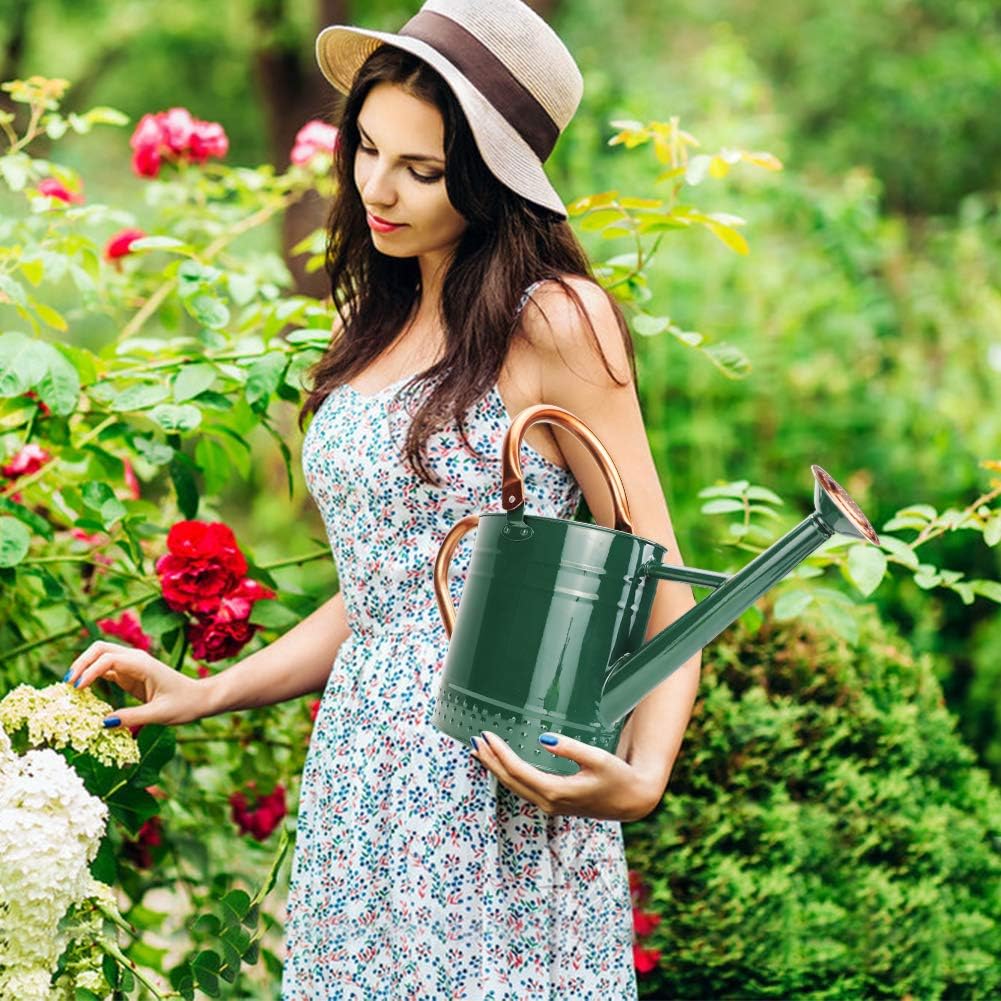
Watering Can
A simple, easy-to-handle can that gives you control over how much and how fast you're watering — much gentler on young plants than a hose.
👉 Check it out hereWhat to Plant First
If you're new to this, I'd skip trying to grow 12 different things at once. Start with a handful of beginner-friendly vegetables — things like lettuce, beans, and herbs tend to be forgiving and quick to show progress, which helps with motivation.
A seed starter kit with a curated mix takes the guesswork out of picking what to grow first.
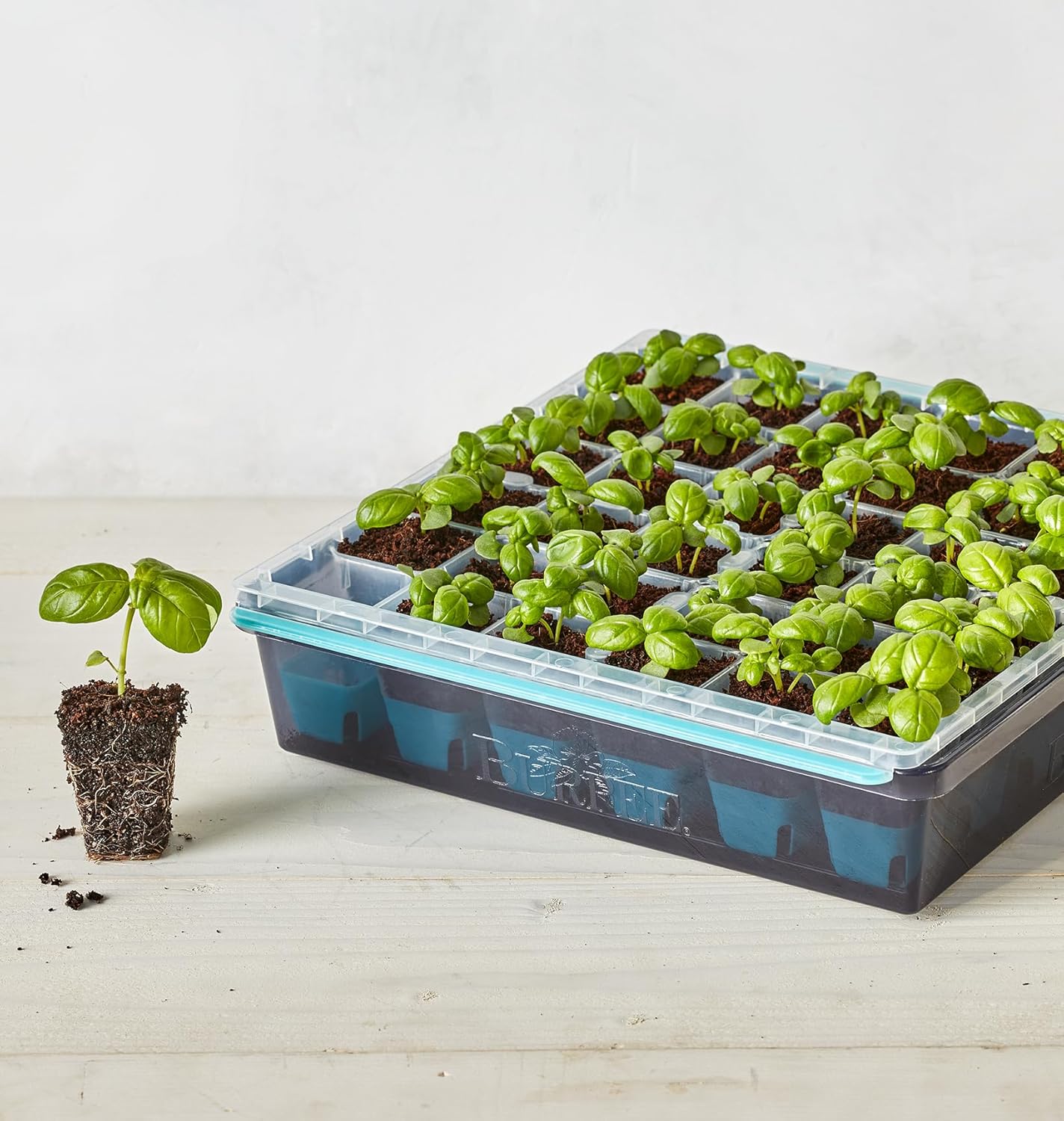
Vegetable Seeds Starter Kit
A mix of beginner-friendly vegetable seeds, so you're not stuck guessing what'll actually grow well in your first season.
👉 See it hereStarting Seeds Indoors
If you want a head start before your outdoor season begins, starting seeds indoors in small pots works well. Peat pots are nice for this because you can plant the whole pot directly into your raised bed later — no disturbing the roots during transplant, which is where a lot of seedlings get damaged.
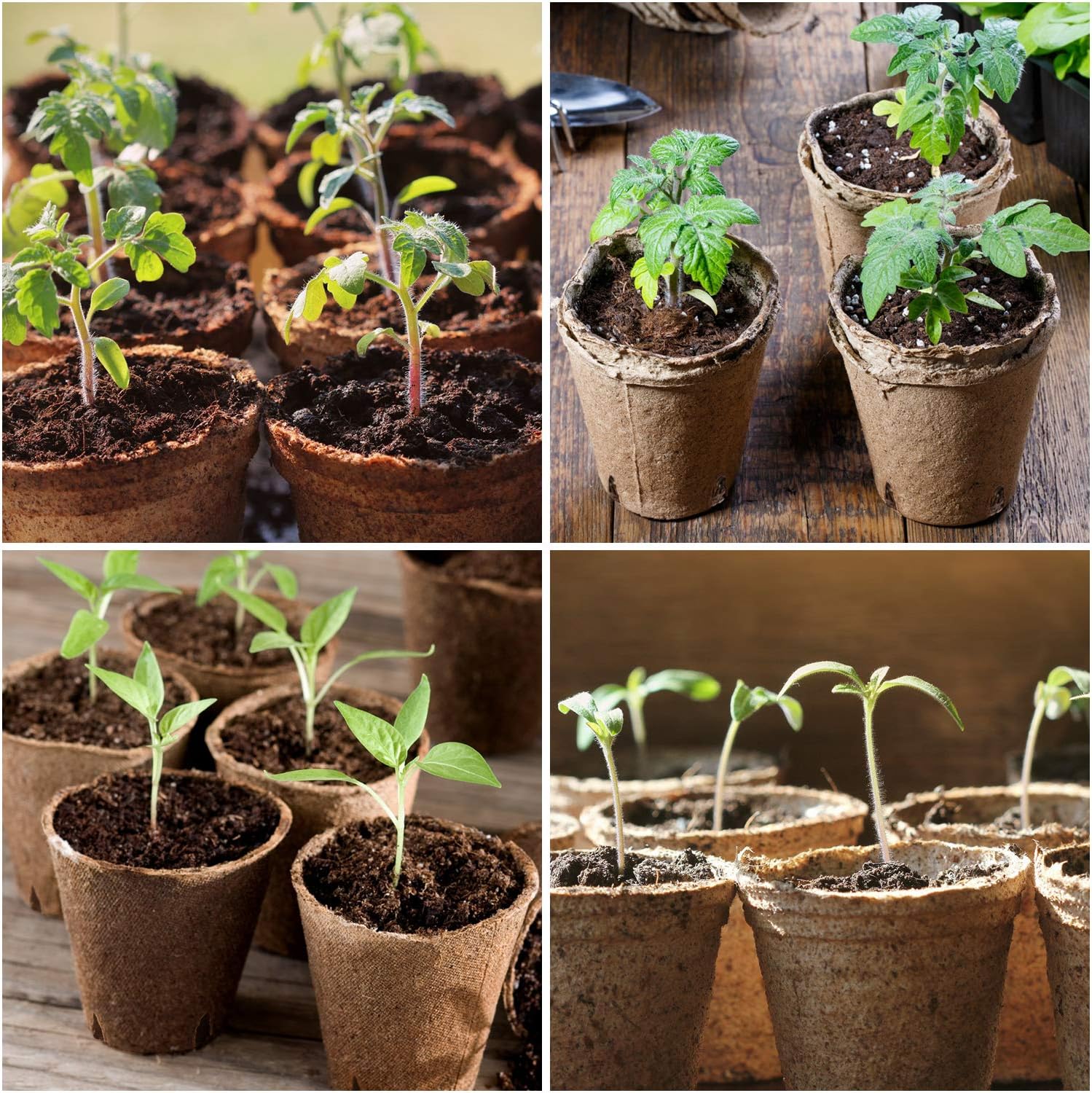
Peat Pots Seed Starter
Biodegradable pots that go straight into your raised bed at transplant time — less root disturbance, less stress on young seedlings.
👉 Check it out hereFeeding Your Plants the Right Way
Soil nutrients get used up as your plants grow, so a feeding boost partway through the season makes a real difference — especially for heavy feeders like tomatoes and peppers.
I'd stick with an organic fertilizer over synthetic ones. They tend to be more forgiving if you apply a bit too much, and they're a better fit if you're growing food for your own table.
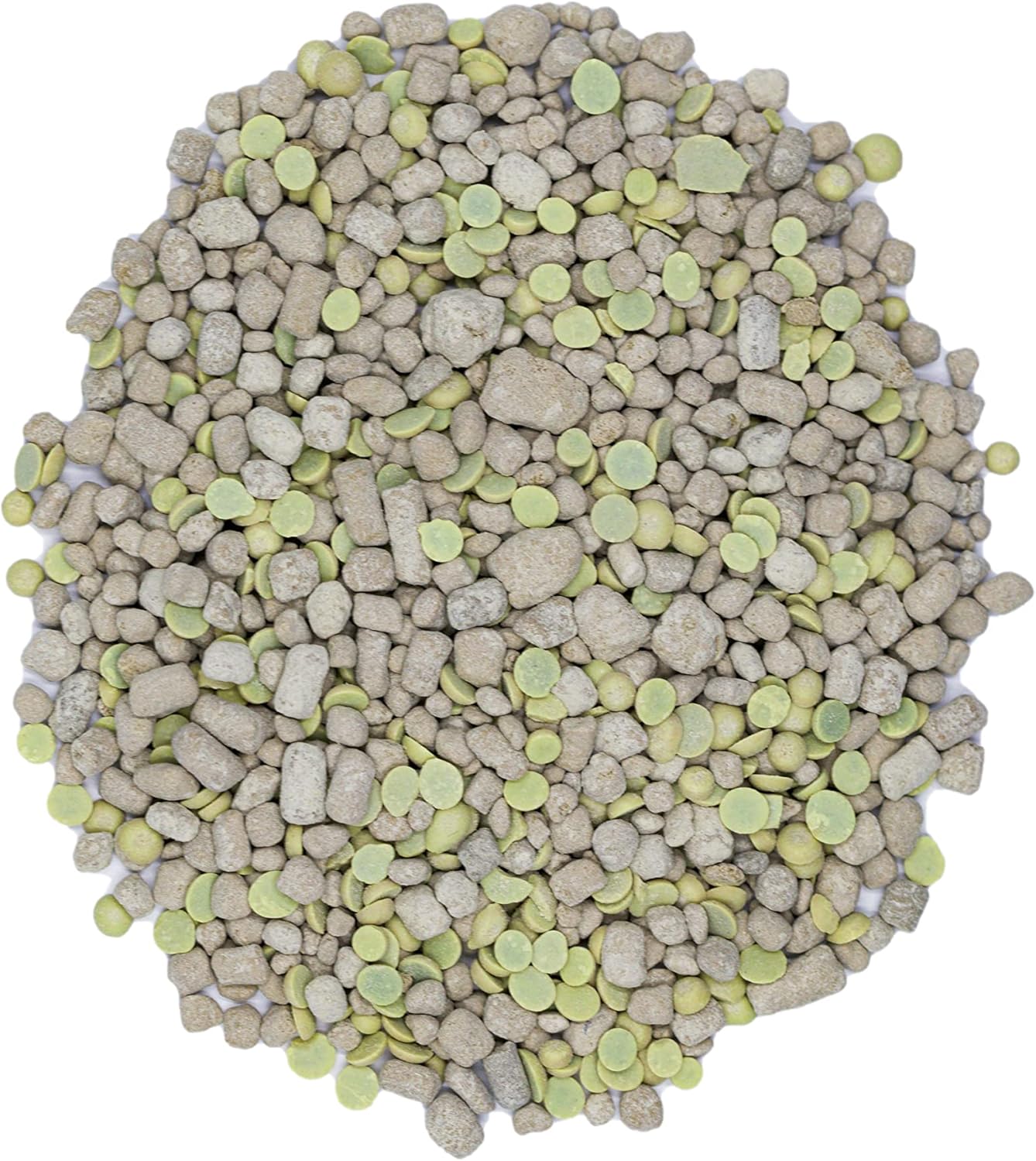
Organic Vegetable Fertilizer
An organic feed that gives your plants a mid-season boost without the risk of burning roots the way some synthetic fertilizers can.
👉 See it hereDealing With Pests (Without Harsh Chemicals)
At some point, something is going to take an interest in your plants — aphids, mites, or other small pests are pretty much inevitable. You don't need harsh chemical sprays to deal with them.
Neem oil is a widely used organic option that a lot of home gardeners reach for first, since it's gentler on beneficial insects than most synthetic pesticides.
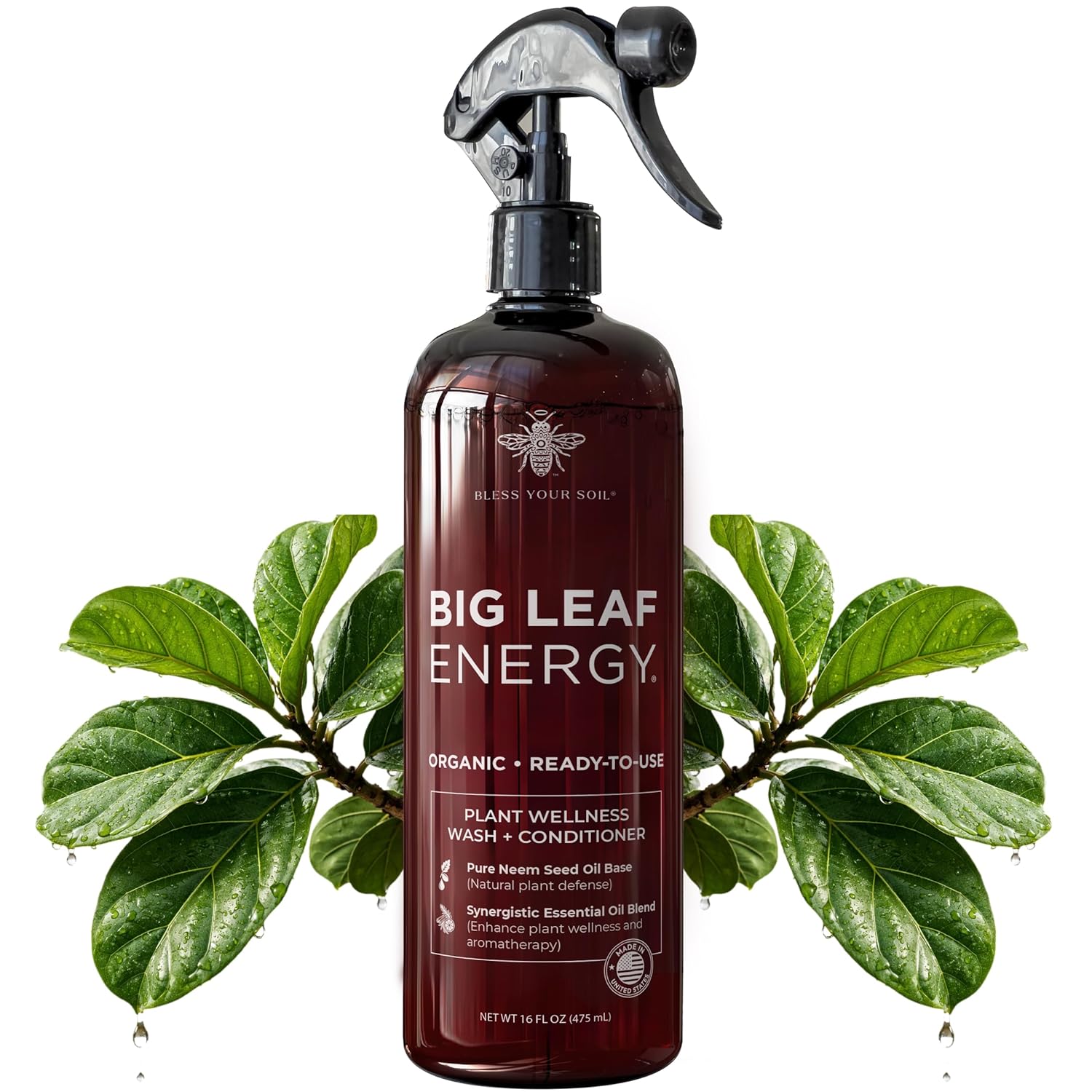
Neem Oil Spray
An organic option for common garden pests — a good first line of defense before reaching for anything stronger.
👉 Check it out hereWhat to Expect: A First-Timer's First Few Weeks
If you're setting up a raised bed for the first time, here's roughly what the early weeks tend to look like.
Week 1
- You get the bed assembled and filled with soil — usually takes less time than people expect.
- Seeds or transplants go in, and you start figuring out a watering rhythm.
- This is the patience stage — not much to see yet above the soil.
Week 2
- Seedlings start to show themselves, and you'll get a feel for which plants are thriving.
- Keep an eye out for early pest activity — easier to manage early than late.
- Watering becomes more routine and less stressful.
Week 3
- Growth starts to pick up noticeably, especially for fast growers like lettuce and beans.
- This is usually when a first feeding helps push things along.
- You start to get a real sense of how the season is going to go.
A Quick Note on Buying Smart
You don't need to buy everything on this list at once. A sensible order looks something like:
Start with your bed and soil. Add basic tools and a watering can. Then bring in seeds, fertilizer, and pest control as your garden actually needs them.
There's no need to overhaul your whole routine or spend a fortune upfront. Pace yourself, and let your garden grow into these tools as you go.
A Word on Cheap Knockoffs
One thing worth knowing: as raised bed gardening has gotten more popular, the market has filled up with low-quality copies of popular products — thin steel that rusts fast, tools that bend on first use, that sort of thing.
It's worth reading reviews and checking materials before buying, especially for anything you expect to last more than one season.
👉 The products linked throughout this guide are ones I've used myself or have a solid reputation among home gardeners — not random affiliate filler.
Final Word
If you've tried gardening before and it didn't go the way you hoped, it's probably not because you have a "black thumb." More often than not, it's a few missing basics — the right bed, decent soil, and not overwatering.
Get those right, and the rest tends to follow.
Disclosures:
1. As an Amazon Associate I earn from qualifying purchases.
2. Recommendations are based on personal experience and general gardening best practices. Individual results will vary based on climate, soil, and growing conditions.
Disclaimer:
Individual gardening results will vary based on climate, local soil conditions, sun exposure, and other environmental factors. This guide is intended for informational purposes only and does not guarantee specific harvest yields. Always follow product manufacturer instructions. This site contains affiliate links — as an Amazon Associate, I earn from qualifying purchases at no extra cost to you.