Best Soil Mix for Raised Bed Gardening — The Single Most Important Decision You'll Make
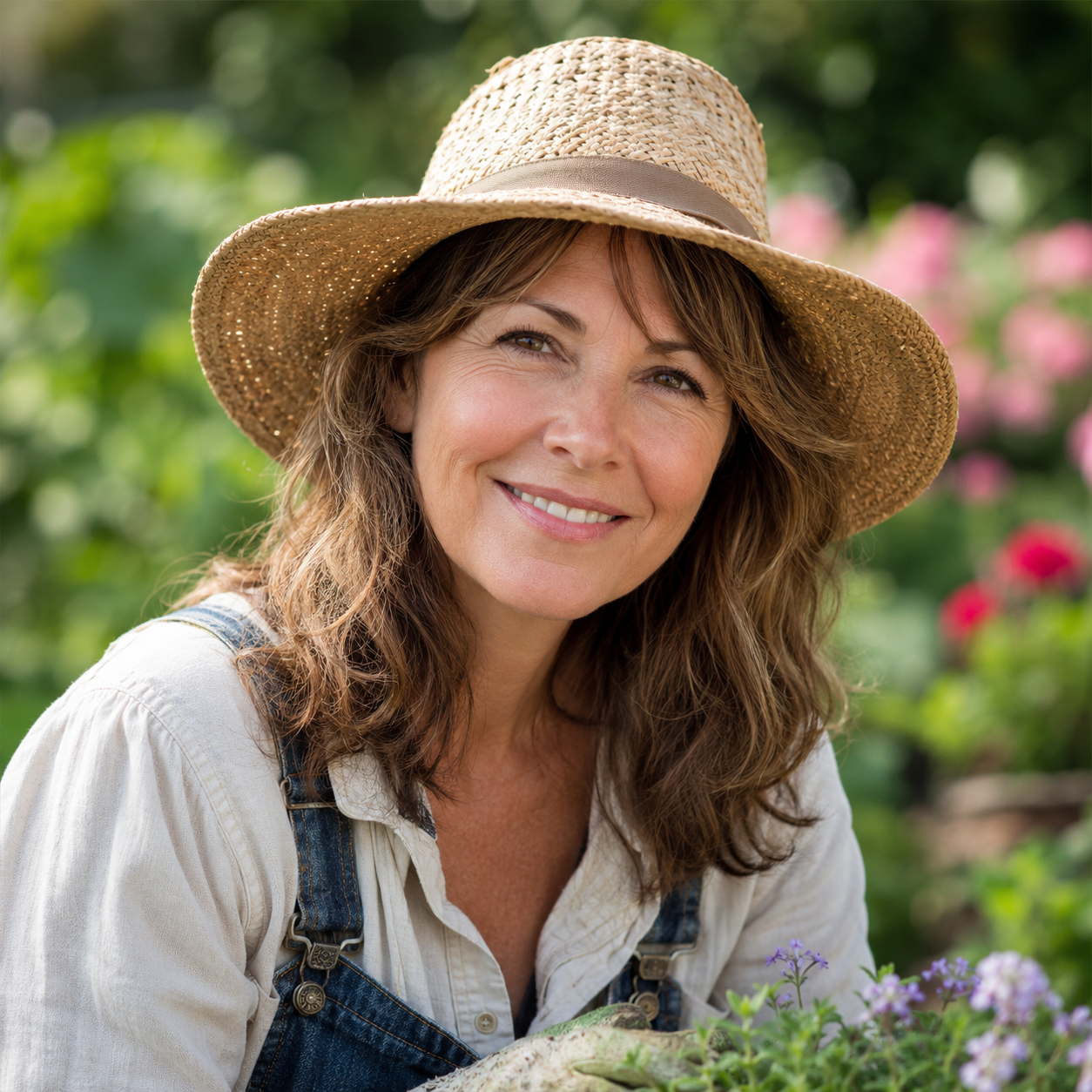
When I first started raised bed gardening, I thought I could save money by filling my bed with whatever soil I could find — a mix of yard dirt, some compost I wasn't sure about, and a bag of something vaguely labeled "garden mix" from a hardware store.
That first season was a disaster. My plants struggled, my tomatoes never ripened properly, and by mid-July I was convinced I just didn't have a green thumb.
Turns out, the problem wasn't me. It was what was underneath.
If you've started researching raised bed gardening, you've probably noticed something: people get really opinionated about soil. Some swear by specific ratios. Others seem to have secret formulas they won't share. It's enough to make your head spin.
The good news? You don't need a complicated chemistry degree or a secret recipe. What you do need is to understand a few basics about what makes good soil actually work for your plants.
Why Soil Is the Foundation (Literally and Figuratively)
Here's something that surprised me when I first started: you could have the best garden design, the perfect location, and ideal sunlight, but if your soil is poor, none of that matters much.
Your soil isn't just something plants sit in — it's their entire food and water system. It holds nutrients they need, provides drainage so roots don't rot, and creates the environment where beneficial organisms live. Bad soil makes everything harder. Good soil makes everything easier.
The Most Common Beginner Soil Mistake
Most beginners make one of two mistakes:
- Using yard dirt. It's dense, compacted, and usually lacking the nutrients plants need early on.
- Using pure compost. It's rich in nutrients but doesn't drain well — your plants' roots end up sitting in moisture and slowly rot.
The real magic happens when you mix things together in the right way. That's what separates a struggling garden from one that thrives.
What Is the Best Soil Mix for Raised Beds?
The ideal raised bed soil is a balanced blend of three main components: something that drains well, something that holds nutrients, and something that improves structure and helps retain moisture when you need it.
Think of it like this: you want a mix that's loose enough for roots to push through easily, but rich enough that your plants have what they need to thrive right from the start.
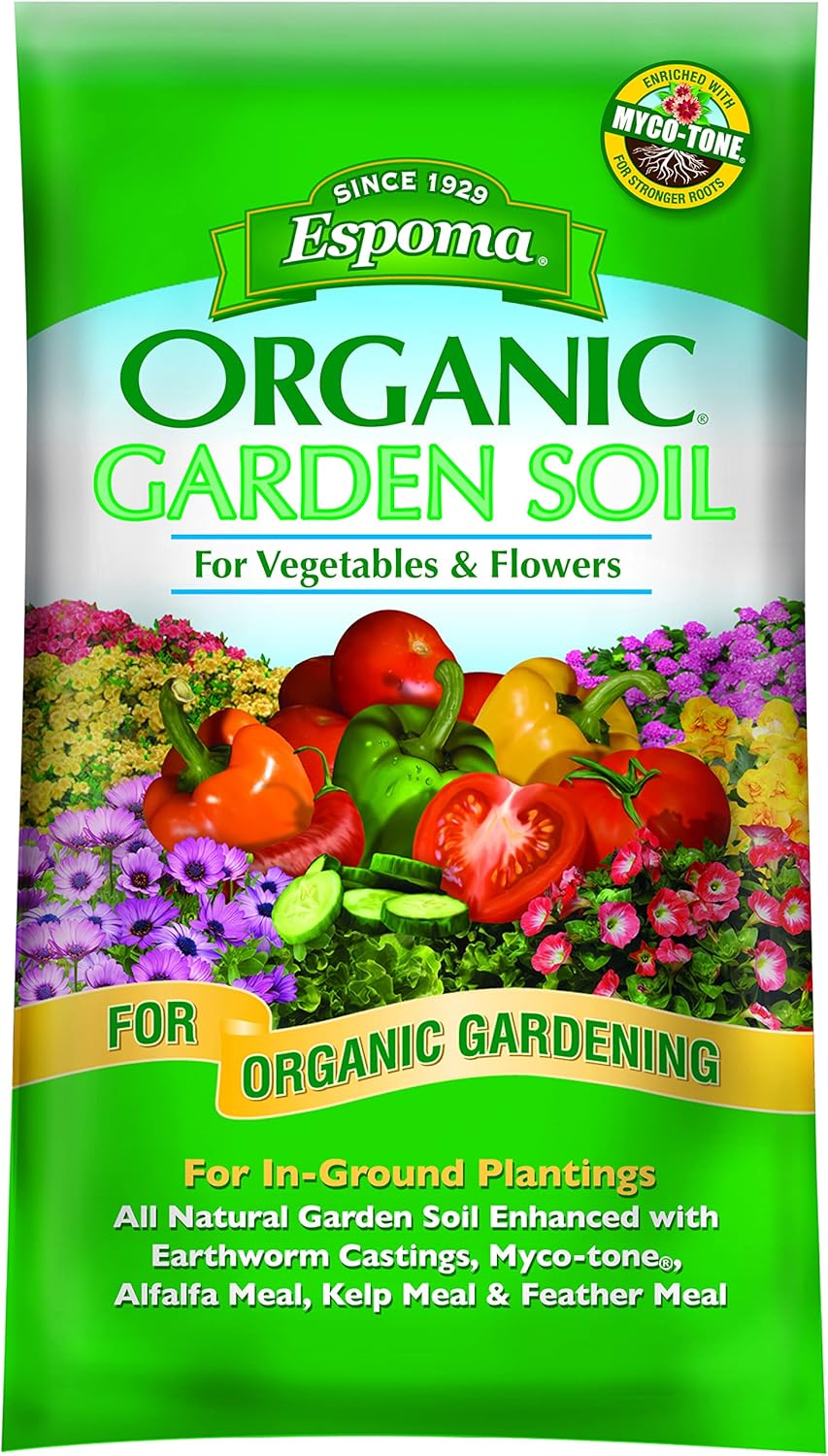
Organic Garden Soil Mix
A pre-blended mix specifically designed for raised beds and containers. This takes the guesswork out of ratios — it's already balanced with everything your plants need for their first season, drains properly, and is made with organic materials.
👉 See it hereUnderstanding the Simple Soil Formula
If you're curious about what's actually in a good raised bed soil mix, here's the basic formula. You don't need to memorize it — but understanding it helps when you're deciding what to buy or if you want to blend your own.
That's it. Those three things in roughly those proportions create a soil that:
- Drains well so roots don't rot
- Retains enough moisture so you're not watering constantly
- Has nutrients built in for the beginning of the season
- Is loose enough for roots to spread easily
Preparing Your Bed and Soil
Once you've chosen your soil, the actual setup is straightforward. If you're starting with a new raised bed, add your soil and you're ready to plant. If you're refreshing an existing bed, you'll want to work the new soil in gently — mixing it with what's already there rather than replacing everything at once.
A simple garden fork or hand cultivator makes this job much easier, especially if you're dealing with compacted soil from a previous season.
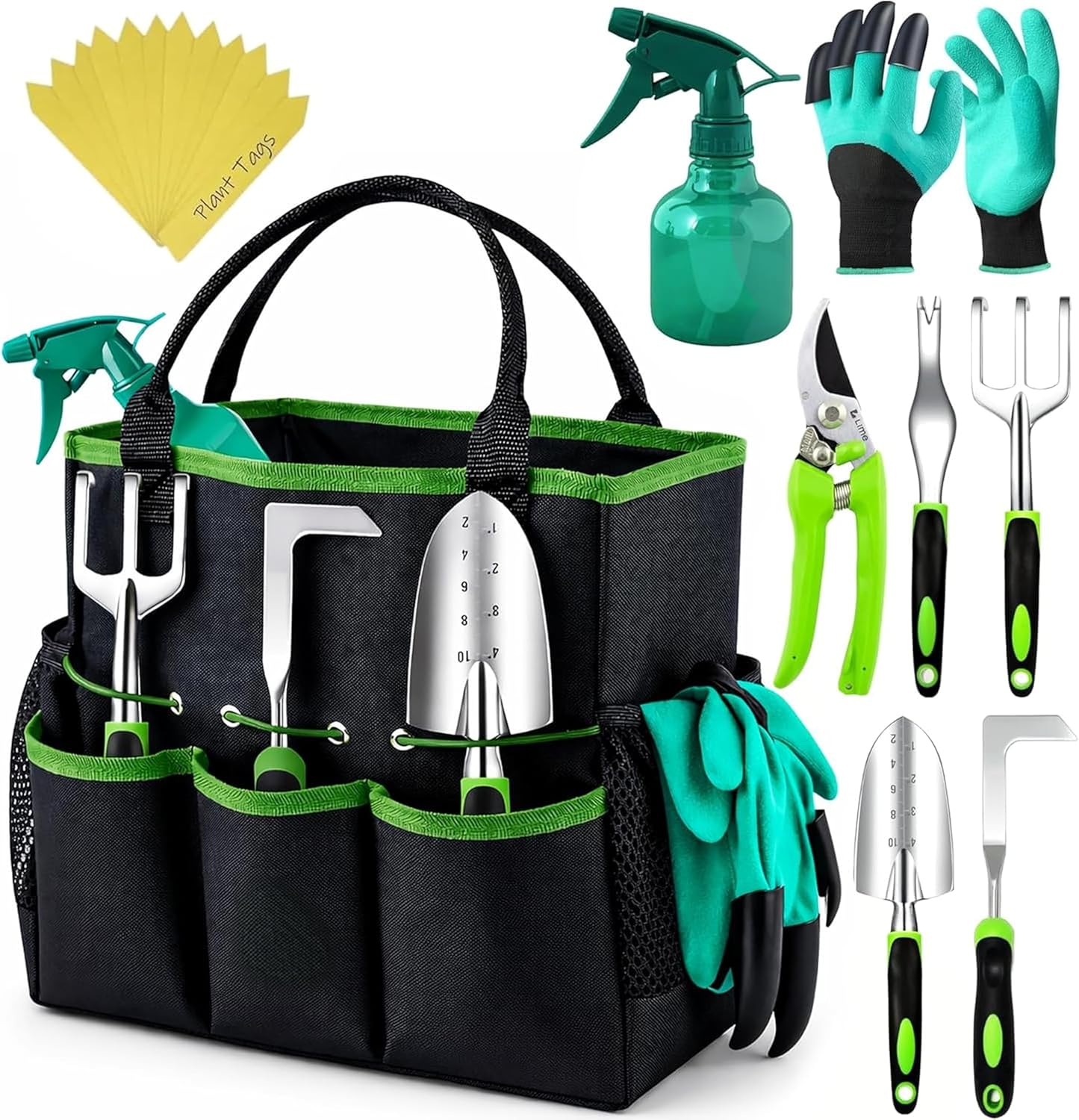
Gardening Tool Set
Having a proper hand fork and trowel makes preparing and mixing your soil much faster than trying to do it with kitchen utensils. You'll use these tools constantly throughout the season.
👉 Check it out hereCommon Soil Mistakes to Avoid
Using only compost. I mentioned this earlier, but it's worth repeating. Pure compost holds too much moisture and compacts over time. You need that drainage component (perlite or vermiculite) to keep things loose.
Filling with clay-heavy yard soil. It's free, which is tempting, but clay drains poorly and makes root growth difficult. Your plants will struggle, no matter what else you do right.
Assuming one-time filling lasts forever. Your soil settles and degrades over time. You'll want to add fresh compost or a quality soil amendment each season to keep nutrients up.
Skipping the organic part. Synthetic fertilizers might give a quick boost, but organic matter — compost, aged manure, peat — builds long-term soil health. It's worth the small extra cost.
Improving Your Soil Over Time
One of the best things about raised beds is that you can improve your soil each season — and you should.
At the end of your growing season, add a fresh 2-3 inches of quality compost or aged organic matter to the top. Let it sit over winter if you can, and in spring, work it gently into the top few inches of your bed. By next season, that organic matter will have broken down, feeding your soil and improving its structure.
Feeding Your Soil (Not Just Your Plants)
Around mid-season, your plants will start using up the nutrients that came built into your soil. This is where an organic fertilizer comes in — not as a quick fix, but as a way to keep your plants fed as they grow.
Organic fertilizers release nutrients slowly, which is gentler on plants than synthetic options. They also keep feeding your soil's biology — the beneficial organisms that make soil healthy.
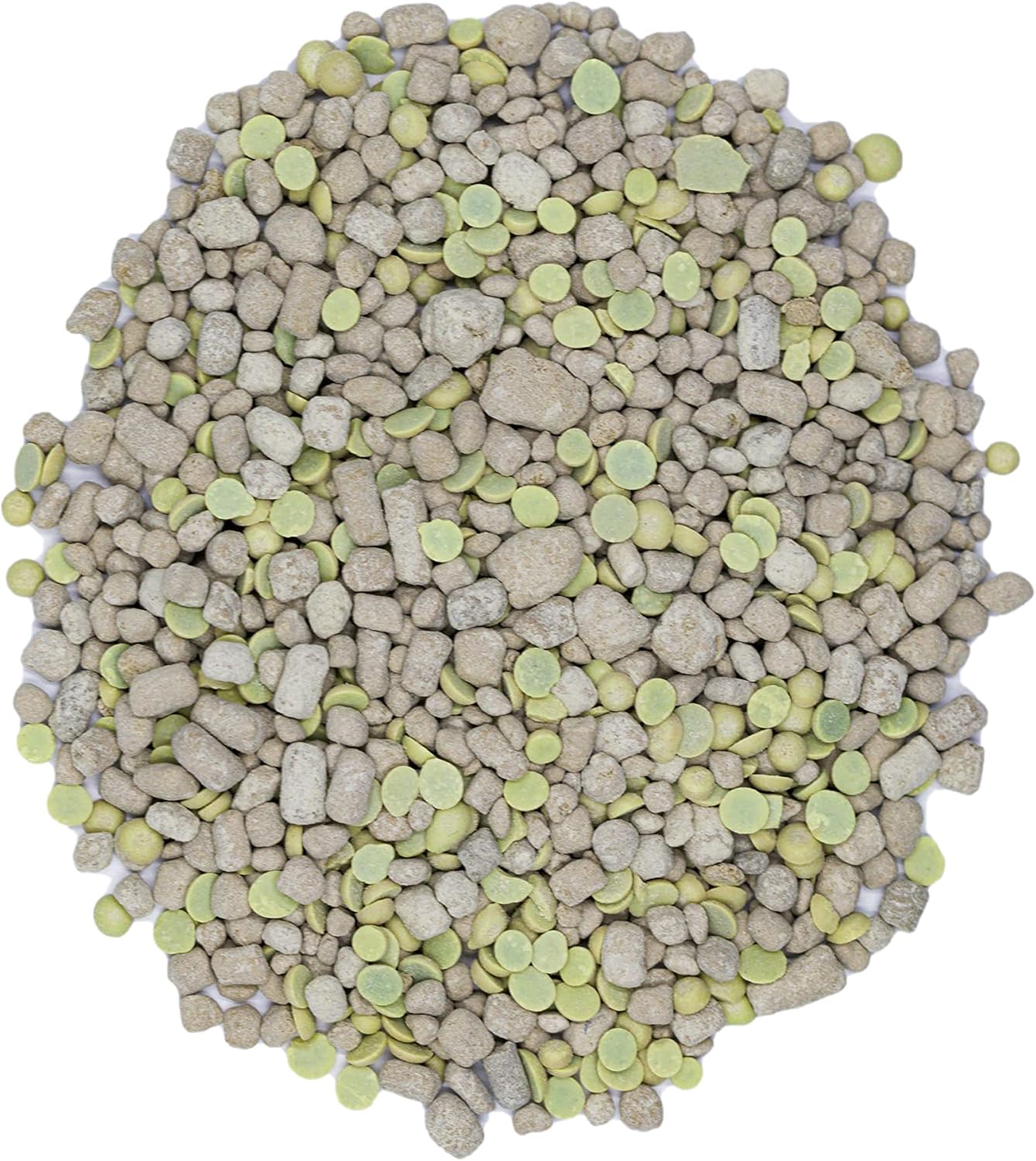
Organic Vegetable Fertilizer
An organic feed that works well with raised bed soil — gives your plants a nutrient boost mid-season without the risk of burning roots. It also keeps feeding your soil for long-term health.
👉 See it hereStarting Seeds in Quality Soil
If you're starting seeds indoors before transplanting them to your raised bed, using quality soil makes a huge difference. Seeds are delicate, and they need a gentle, nutrient-rich environment to germinate and develop strong roots.
Starting in peat pots filled with good soil means you can transplant the whole pot directly into your raised bed later — no disturbing roots, no transplant shock. It's a small thing, but it helps plants get off to a much better start.
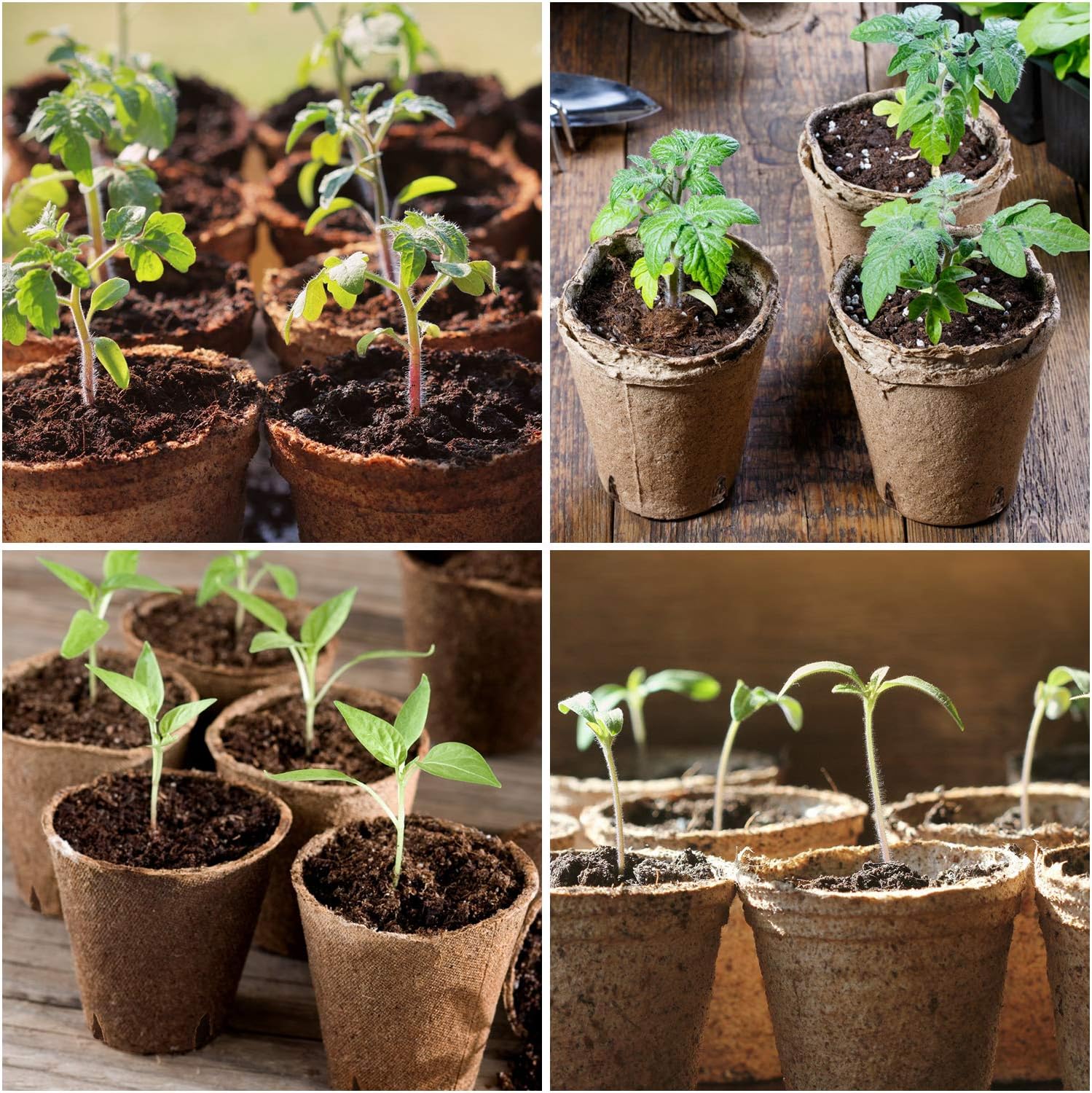
Peat Pots Seed Starter
Biodegradable pots that work perfectly with quality raised bed soil. The whole pot goes into your bed at transplant time, so seedling roots never have to deal with the stress of being moved.
👉 Check it out hereBudget-Friendly Soil Tips for Beginners
Quality soil does cost money — there's no way around it. But there are a few ways to stretch your budget without sacrificing quality:
- Buy pre-mixed soil if you can. It's slightly more expensive per cubic foot than buying components separately, but you skip the guesswork and often save time and effort.
- Plan your bed size with soil costs in mind. A 4x8 bed needs more soil than a 4x4, so calculate how much you actually need before buying.
- Add compost on top each season instead of replacing everything. This is cheaper than starting completely fresh and actually builds better soil over time.
- Look for bagged soil sales in early spring or late summer. Timing your purchase can save 20-30% compared to buying mid-season.
A Word on Cheap Soil (And Why It Matters)
As raised bed gardening has become more popular, cheaper soil options have flooded the market. Some are okay, but many are heavy on filler (sawdust, poor-quality compost) and light on actual nutrients.
Reading reviews before buying helps. Look for bags that specifically mention compost, peat moss or coir, and perlite — and avoid anything that just says "garden mix" without details about what's actually in it.
You can sometimes save money by buying from local nurseries or farm supply stores rather than big box retailers. They often have better quality soil at competitive prices.
👉 The products linked throughout this guide are ones I've used myself or have solid track records with home gardeners — not random picks.
Final Word: Your Soil Is Your Starting Point
If you're just getting started with raised bed gardening, the single best investment you can make is starting with good soil. It's not glamorous, and it doesn't seem as important as choosing the right plants or picking the sunniest spot in your yard.
But I promise you — good soil makes everything else easier. Your plants grow stronger. You spend less time fighting problems. And gardening stays enjoyable instead of becoming frustrating.
Get the soil right, and the rest tends to follow.
Disclosures:
1. As an Amazon Associate I earn from qualifying purchases.
2. Recommendations are based on personal experience and general gardening best practices. Individual results will vary based on climate, soil, and growing conditions.
Disclaimer:
Individual gardening results will vary based on climate, local soil conditions, sun exposure, and other environmental factors. This guide is intended for informational purposes only and does not guarantee specific harvest yields. Always follow product manufacturer instructions. This site contains affiliate links — as an Amazon Associate, I earn from qualifying purchases at no extra cost to you.